Long-Distance Moving Tips for Texas Moves
Real interstate authority, a written estimate, and a plan for the long haul — long-distance moving tips for leaving San Antonio for Austin, Dallas & beyond.
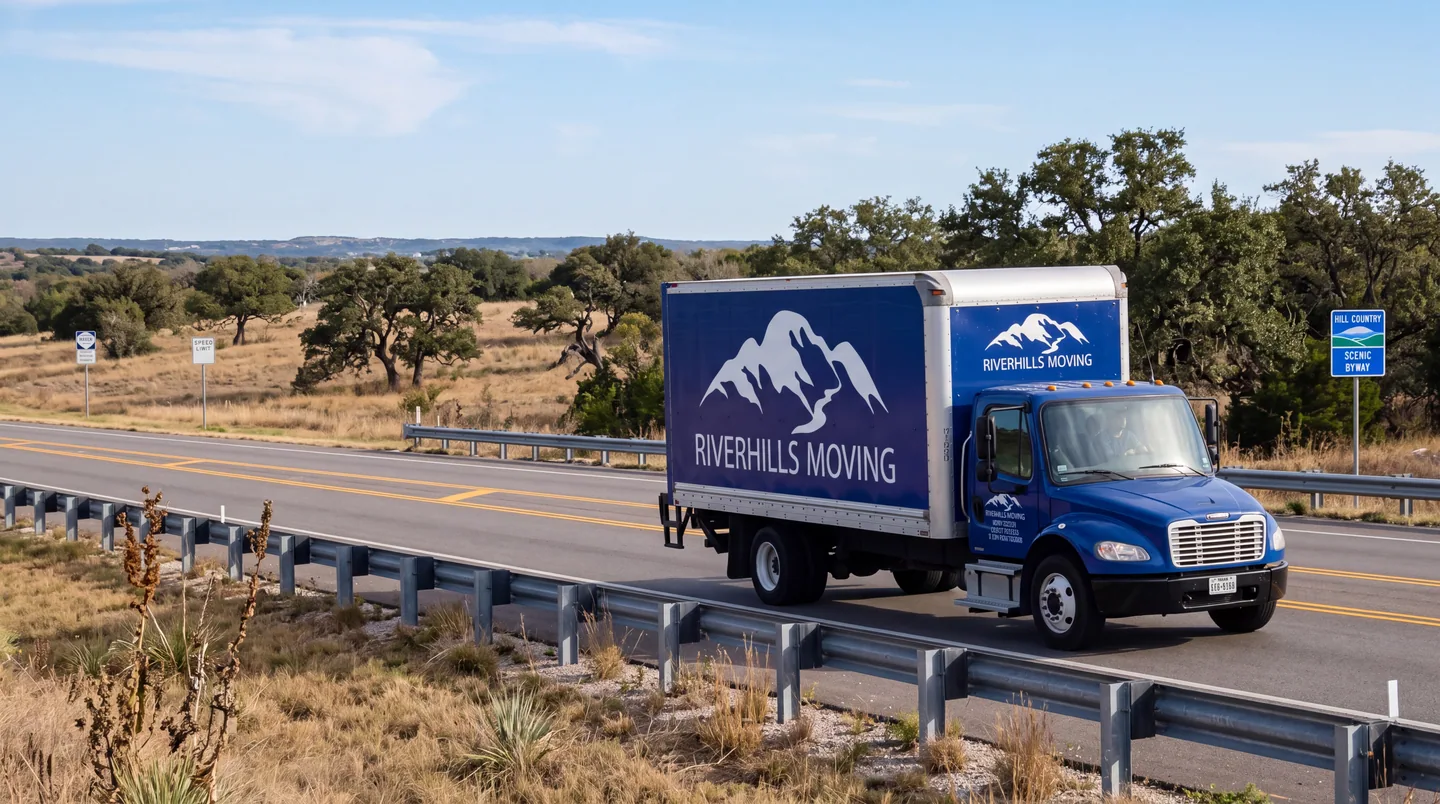
Planning a move? Start your free quote — under 2 minutes
Moving across town and moving across state lines are not the same job wearing a different hat. Once your belongings cross a state line, federal rules apply, delivery happens across a window of days instead of a single guaranteed date, and the company loading your truck has to be legally authorized to run that route — not just insured to drive around the block. A lot of local San Antonio movers are excellent at what they do, but they simply are not licensed for the interstate leg. RiverHills publishes USDOT 3561425 and MC-1196218; verify the current operating status and authority directly with the Federal Motor Carrier Safety Administration before booking. Here is how to plan the long haul, whether you’re headed up I-35 to Austin and Dallas or clear out to Denver.
Check Interstate Authority Before You Check Anything Else
Any company that moves household goods across a state line needs both a USDOT number and operating authority (an MC number) issued by the FMCSA. This is not optional paperwork — it is the difference between a legally regulated mover and someone with a truck and a Facebook page.
Before you request a quote, do this:
- Go to safer.fmcsa.dot.gov and search the mover’s USDOT number.
- Confirm the record shows “Authorized for Property” and a status of Active.
- Ask directly whether the crew showing up on moving day works for that same authorized carrier, or gets subcontracted out to someone else.
If a company can’t produce a USDOT number without hesitation, or the number comes back inactive, keep looking.
Popular Long-Haul Routes Out of San Antonio
San Antonio sends and receives a steady flow of long-distance moves. Each route has its own quirks worth planning around:
| Destination | Approx. Drive Time | Plan For |
|---|---|---|
| Austin | About 1.5 hours | Heavy I-35 traffic even for a short-haul move |
| Houston | About 3 hours | Humidity swings; extra padding for wood furniture |
| Dallas–Fort Worth | About 4.5 hours | A longer transit window; ask about an overnight stop |
| Denver | 13+ hours | Multi-day delivery spread and a real change in climate |
Get a Written Estimate, Then Read the Fine Print
A phone quote based on “about how many rooms” is a guess. A written estimate, scoped after an in-home or video walkthrough of your actual belongings, is a commitment. Ask what could change that number — extra stairs, a shuttle truck because a rig can’t reach a caliche or gravel driveway out toward Bandera or Comfort, or an additional stop to drop items at a second address. RiverHills scopes the job and puts the price in writing before your date is locked in, with no hidden add-ons sprung on you at delivery.
Purge Before You Pay to Haul It
Every box you don’t need is money and time spent moving something you were going to get rid of anyway. Before your in-home estimate:
- Sort by room and be honest about what you’ll actually use in the new place.
- Sell, donate, or toss furniture that won’t fit the new floor plan.
- Digitize documents and photos where you can.
Doing this before the walkthrough means your estimate reflects your real load, not last year’s clutter.
Understand the Delivery Window, Not Just “Moving Day”
Local moves happen on one day. Interstate moves typically deliver across a window — your truck may share space with other shipments along the route, and weather, distance, and scheduling all affect exactly when it arrives. Ask your coordinator for that window in writing, and plan your first few nights at the destination around it rather than assuming same-day delivery.
Build a “Keep With You” Box
Some things should never ride on the truck:
- Medications and a week of essential clothing
- Passports, deeds, insurance papers, and any documents you’d hate to lose
- Chargers, a laptop, and anything you’ll need the first night
- Jewelry or small high-value items
Pack this box last, load it in your own vehicle, and keep it within reach.
Photograph Your High-Value Items First
Before anything gets wrapped, take a few photos of furniture, electronics, and anything with a serial number. It takes five minutes and gives you a clear record if you ever need one — for insurance, for peace of mind, or just to remember exactly how that bookshelf was arranged.
A long-distance move goes smoothest when the mover handling it is actually allowed to be on that highway with your belongings. If you’re planning a move out of San Antonio or the Hill Country, long-distance moving with RiverHills starts with a straightforward, no-obligation quote — give us a call at (830) 329-7272 and we’ll walk the route with you before you ever sign anything.
Official references
These agency resources inform the regulatory, safety, and planning guidance in this article. Local conditions and availability can change, so verify current details with the source.
Frequently Asked Questions
How far ahead should I book a long-distance move out of San Antonio? add
Aim for eight to ten weeks before your target date, and push that to twelve weeks if you are moving in June or July. Summer overlaps with JBSA PCS season and school-year relocations, so trucks and crews book up fast. Booking early also gives you time to compare more than one written estimate.
Why does a written estimate matter more on a long-distance move? add
A written estimate is built from an actual inventory, usually after an in-home or video walkthrough, so it reflects what you are really shipping instead of a rough phone guess. That protects your final price and gives you a clear reference point if anything changes before moving day.
How do I confirm a mover is actually authorized for interstate moves? add
Look up the company's USDOT number at safer.fmcsa.dot.gov and confirm the status shows Active and Authorized for Property. RiverHills Moving is registered under USDOT 3561425 and MC-1196218, and you can verify that listing yourself before you ever sign a contract.
Planning a move? Talk to a real person.
RiverHills Moving is locally owned and owner-operated by Jackson Williams, serving San Antonio and the Texas Hill Country. Free quotes, no pressure.
Get a Free Quote arrow_forwardor call (830) 329-7272