verified Request a move-specific estimate and review the written scope before booking.
Warehouse & Light Industrial

Print & Sign Shop Moving in San Antonio

Sort wide-format equipment by its transport instructions, then move roll media and rigid substrates in the order your shop needs them.

(830) 329-7272
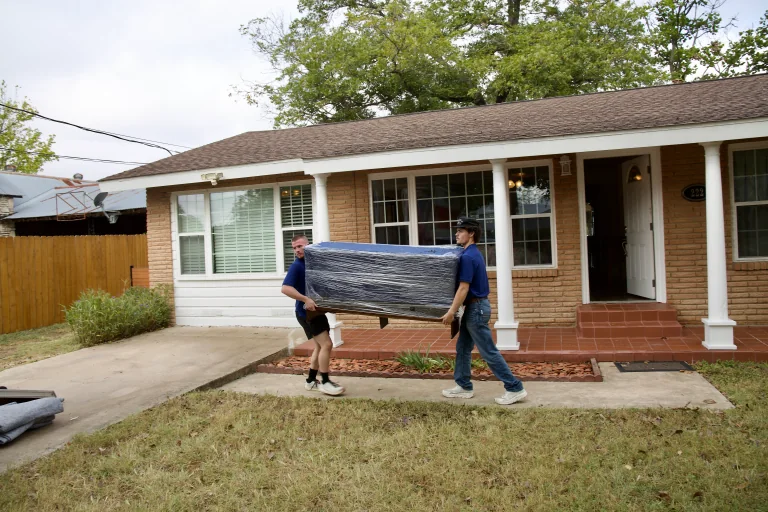
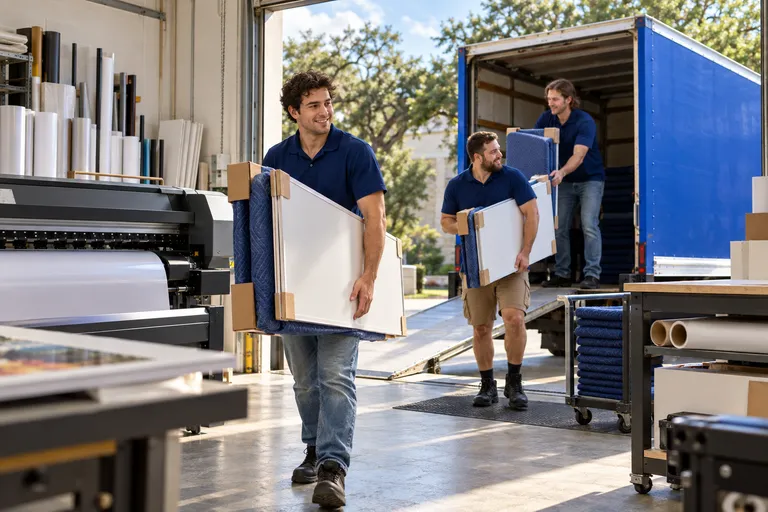
Print & Sign Shop moving in San Antonio: moving crew at work
  • Licensed & Insured USDOT 3561425 · MC-1196218
  • 5.0 ★ Rated 500+ Google Reviews
  • San Antonio & Hill Country Kerrville · Boerne · Fredericksburg

Start your free print & sign shop move quote

verified For estimate purposes only credit_card_off No credit card required

Planning a Print & Sign Shop Move

In a print or sign shop, no two machines move the same way. An aqueous plotter, latex printer, solvent printer, and UV flatbed can each have different instructions for ink, heads, carriage locks, and restart. Your equipment service contact identifies each model and prepares it for transport. We assess the route for a released unit after its size, weight, and vendor directions are clear. Equipment needing specialized lifting or vendor transport stays with that provider.

A roll without its width, finish, and job reference can look like any other roll. Rigid sheets need their material and destination rack marked before leaving the cutting area. We group agreed inventory by type, size, and production priority, so your team can find stock without opening every wrap. You decide which active orders, proofs, and digital files remain under your control. Our crew handles the packed supplies, movable work areas, and any printer its service contact has released to us.

Who usually signs off
Print shop owner or production manager, with the equipment service contact approving machine readiness
Timing that works
Plan around the final old-shop run and first new-shop job; ask about evening or weekend access while orders remain active.

What typically moves

  • Vendor-released wide-format printers and plotters Each model gets its own readiness instructions and route check before our crew accepts it for transport.
  • Labeled vinyl, paper, and fabric rolls Rolls are grouped by media type, width, finish, and destination position; your team identifies any active-job stock first.
  • Rigid substrate sheets Corrugated plastic, foam board, and other flat stock are separated by material and size, with edges protected during handling.
  • Freestanding cutting and weeding tables Tools and small parts are cleared and packed by station before each movable table is padded.
  • Laminating film and application supplies Film rolls, squeegees, tapes, and application tools travel in labeled groups tied to their finishing area.
  • Finished sign panels and display pieces Your production lead marks pieces awaiting pickup or installation so they do not mix with raw board stock.
  • Sample racks and color swatch libraries Samples are bundled by their existing categories so sales and production can rebuild the reference area.

Access and scheduling

Your production manager identifies the final jobs on each device, the media they require, and when each device can be released to its service contact. We can move cleared stock and freestanding stations in stages, then schedule an approved printer route after preparation. Your shop decides when order intake, file access, and output switch addresses.

We measure doors, turns, ramps, and loading height against a machine's documented dimensions and handling instructions. A flatbed may need a different exit route from a roll-fed plotter. We confirm where sheet goods can stand or lie without blocking production aisles. If the landlord controls loading, elevator use, or work hours, send those rules early; we can provide a Certificate of Insurance when required. Shared San Antonio commercial units may need a reserved loading window.
Protection and handling

Your team identifies roll media by material, width, finish, and active job; we keep labels outside protective wrap. Rolls are supported to protect cores and edges, while remnants are boxed separately from full rolls. Rigid sheets receive edge and face protection suited to their surface. We group them by size so thin sheets are not buried under heavier boards.

For each printer or plotter, the equipment contact supplies preparation steps and confirms readiness. Our crew checks the agreed route, pads accessible surfaces, and follows vendor handling points. Your technician manages printheads, ink systems, transport locks, and calibration; your staff verifies output after restart. We note preexisting visible damage with your contact before loading and flag missing labels or damaged material at delivery. Your production lead decides which identified work in progress can travel.

Who does what

Some of this job belongs to other trades. The written plan names each one.

Printer and plotter transport preparation
Your equipment dealer or service technician sets each device's model-specific procedure, secures sensitive components, and releases it for the agreed handling plan.
Oversized or specialized machine handling
Your equipment vendor arranges any specialized lifting and transports machines that cannot use the assessed door and loading route. We coordinate the surrounding stock and work areas.
Restart, color setup, and output checks
Your service technician and production staff restart and calibrate equipment, reconnect shop systems, and approve test output at the new location.

Not part of our work

  • Opening ink systems, securing printheads, or choosing a device's shutdown procedure; those instructions come from your equipment service contact.
  • Specialized lifting or transport for a machine outside the assessed route; arrange that work with the equipment vendor.
  • Approving color, media profiles, or finished print quality after setup; your production team makes those decisions.

Around San Antonio and the Hill Country

San Antonio sign and print shops often lease flex units along Loop 410, Culebra, and the Northeast Side, where a roll-up door is shared or opens onto a tight drive. Summer heat in a parked trailer can soften vinyl and adhesive media, so on hot days rolls and laminating film load last and come off first.

The crew that shows up

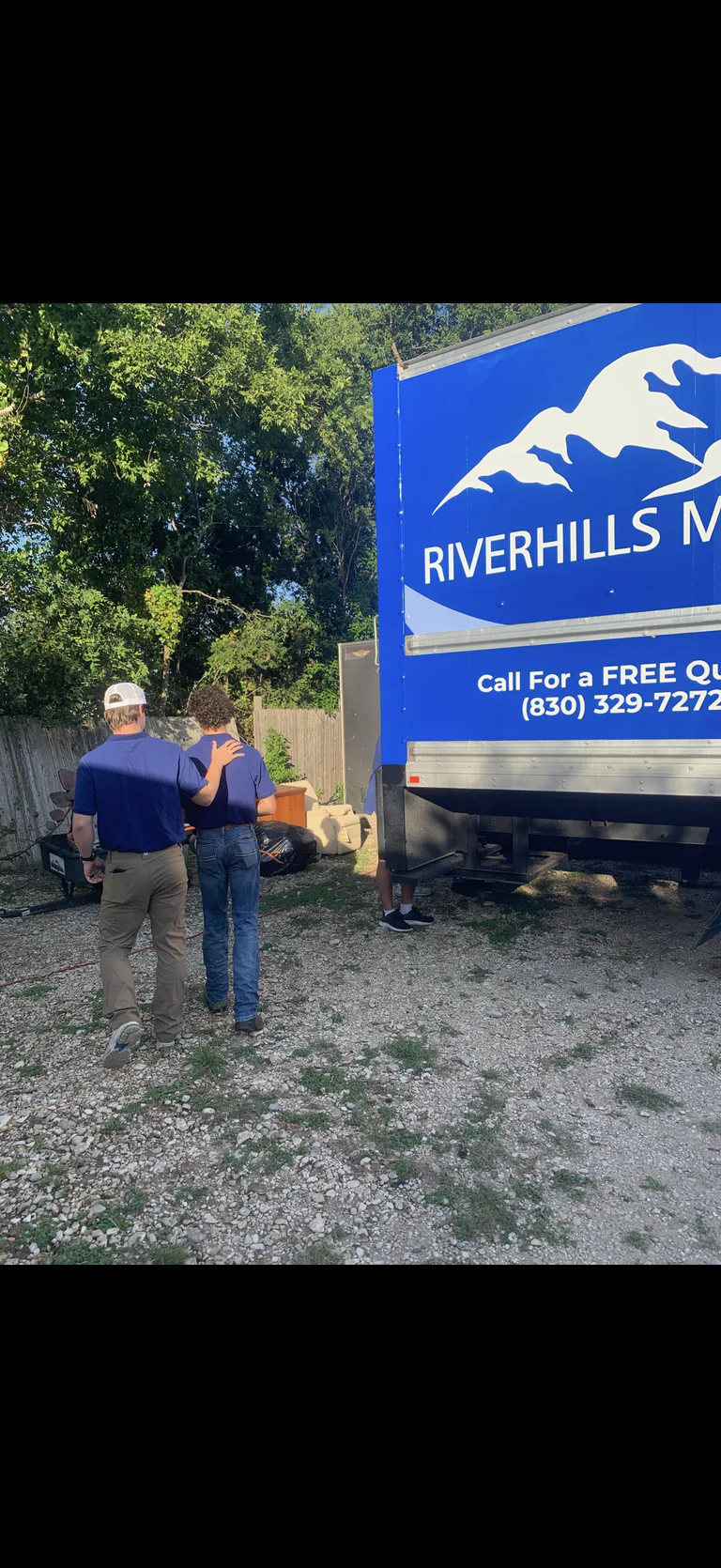
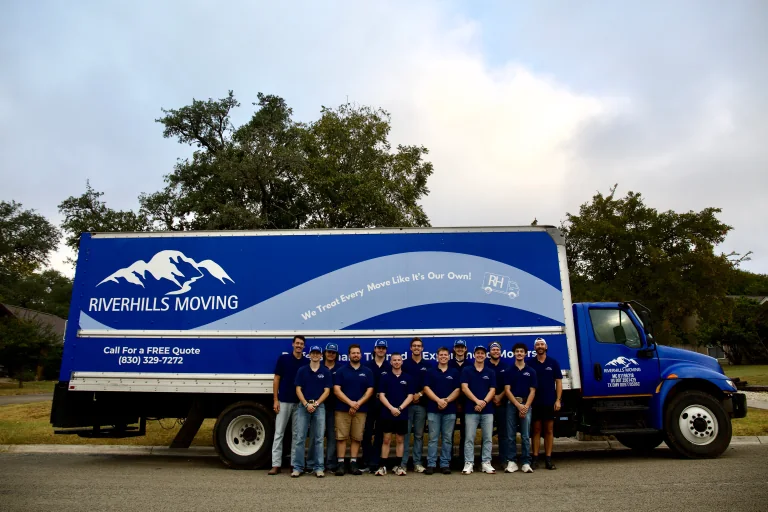
RiverHills Moving crew beside the company box truckRiverHills Moving crew standing together by the truckCrew shrink-wrapping furniture before loading

Print & Sign Shop Moving FAQs

Another question? Call (830) 329-7272.

Does an aqueous plotter need the same move preparation as a UV or solvent printer?

Preparation varies by print technology and model. Give your service contact the model, move dates, and addresses so they can specify shutdown, component protection, and restart steps. We use those instructions to assess the route for a released unit. If a machine needs specialized handling, its vendor plans that portion with you.

How should we identify partly used media rolls before the shop move?

Have your production lead mark each roll with its material, width, finish, and remaining quantity if tracked. Add the job reference for reserved stock. We keep the label visible, group rolls by destination, and separate remnants from unopened stock. Your staff owns the quantity record and decides which rolls stay available through the last run.

Can rigid sign boards travel with finished customer panels?

They can be on the same move when the two groups are clearly separated and protected for their surfaces. Mark raw sheets by substrate and size, then identify finished panels by the job or pickup reference your shop uses. We plan loading positions so unfinished stock does not press against printed faces or exposed edges. Your production lead confirms which pieces are ready to leave the old shop.

What has to happen before you move our wide-format printer?

First, your service contact confirms the model-specific transport procedure and releases the unit. We then compare its dimensions, weight, and allowed handling points with the exits, loading path, and destination entrance. If those conditions fit the agreed plan, we can schedule our crew's handling. Your technician remains responsible for preparation and restart, and your staff checks the first output after setup.

Plan your business move

Tell us both addresses, the building rules you know about, and the dates you cannot move. We will send back a written plan and estimate.

Call (830) 329-7272

Mon–Fri 8 AM–6 PM · Sat 9 AM–4 PM · Sun Closed

Call Now call 830-329-7272