
verified Request a move-specific estimate and review the written scope before booking.
Warehouse & Light Industrial

Warehouse Moving in San Antonio & the Hill Country

A dock-to-dock plan for labeled stock, pallet-jack routes, and receiving order, with your installer handling anchored storage systems.

(830) 329-7272
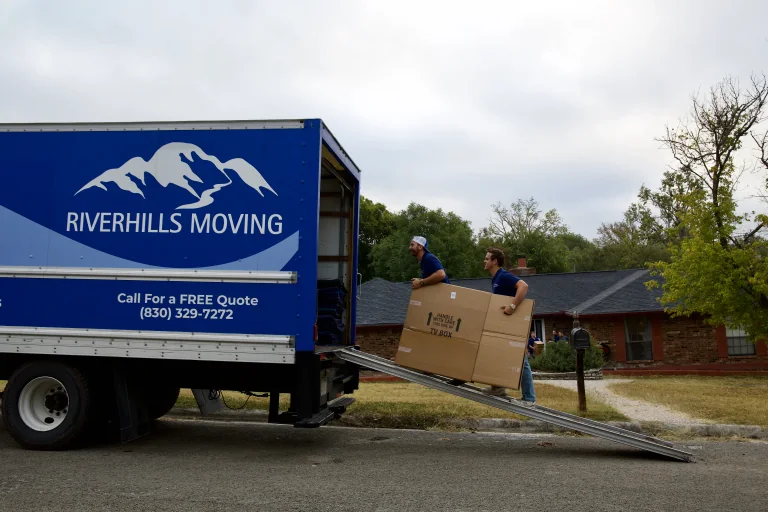
Warehouse moving in San Antonio: moving crew at work
  • Licensed & Insured USDOT 3561425 · MC-1196218
  • 5.0 ★ Rated 500+ Google Reviews
  • San Antonio & Hill Country Kerrville · Boerne · Fredericksburg

Start your free warehouse move quote

verified For estimate purposes only credit_card_off No credit card required

Planning a Warehouse Move

A warehouse relocation starts with two dock doors and an inventory map. You need to know what leaves each pick zone, what stays available for orders, and where every handling unit lands at the new address. Anonymous cartons at receiving can stop replenishment even when the truck arrives. We build the move around your zone names, bin references, and the order in which your team needs stock back.

Your inventory lead makes the stock count and identifies exceptions before a zone is released. Our crew marks and moves agreed cartons, totes, movable shelving, and packing stations, then checks handling units against the load list at each dock. We can use pallet jacks where the load, floor, and dock permit; your site contact confirms clear travel lanes. Goods needing special handling stay assigned to your equipment vendor. Your staff can check each arrival against its own product quantities.

Who usually signs off
Warehouse operations manager or owner, with the inventory lead approving counts and destination zones
Timing that works
Use a receiving lull or a planned shipping pause to release zones; ask about evening or weekend windows when outbound orders continue.

What typically moves

  • Labeled pick-bin cartons and totes Zone and bin references remain visible on each handling unit so your receiving team can place it without reopening stock.
  • Palletized boxed stock Your team identifies the destination zone and confirms the load is suitable for the agreed pallet-jack route.
  • Freestanding packing benches Loose tools and supplies are boxed by bench position; removable parts travel with the bench they serve.
  • Shipping tables and scale stands We label movable pieces by the new shipping lane, while your staff handles calibration and order-system setup.
  • Mobile bin carts and rolling shelves Contents are secured or boxed, and each cart carries its destination aisle before it crosses the dock.
  • Receiving-desk workstations Desk-level equipment and paperwork are tagged to the receiving position your operations lead assigns.

Access and scheduling

The dock schedule is the move schedule. Tell us which doors serve inbound deliveries and outbound orders, when trailers occupy them, and whether both addresses have a leveler or need a liftgate. We walk the path from each released zone to the truck, including thresholds, turns, and shared yard traffic. A pallet jack helps only when the floor and load permit a continuous route; otherwise we plan smaller handling units.

Your operations lead decides which stock may leave first and which pick locations must remain active. We can stage by destination zone so the new receiving door stays clear for immediate stock. If a landlord controls dock access or asks for a Certificate of Insurance, send those rules before dates are set. For a late shift or weekend move, your team needs someone authorized to release stock and confirm counts at both ends.

Protection and handling

Warehouse stock is easy to misplace when similar cartons carry different bin numbers. Your team supplies the source and destination references; we keep labels facing out, group units by zone, and compare the list as loads leave and arrive. We flag a torn label or damaged carton for your inventory lead. Product quantities inside sealed cartons remain your team's record.

Before a pallet-jack run, we check floor transitions, tight turns, and people working near the dock. Movable benches are cleared, small parts bagged, and exposed edges padded. Rolling shelves are emptied or secured according to their condition before crossing a threshold. At delivery, we place units in marked staging areas so your staff can scan or count them before replenishing bins. Anchored systems stay out of our handling plan until the installer completes separate work.

Who does what

Some of this job belongs to other trades. The written plan names each one.

Pallet racking teardown and installation
Your racking installer dismantles, transports, and reinstalls the system, including anchoring and inspection. We schedule movable stock around that work.
Forklift handling and unusually heavy equipment
Your qualified equipment vendor plans and performs those lifts. Our crew handles the agreed cartons, pallets, carts, and movable work areas.
Stock counts and system reconciliation
Your inventory lead owns product quantities and updates the inventory system. We check labeled handling units against the agreed load list at departure and arrival.

Not part of our work

  • Pallet racking teardown, anchoring, installation, or inspection; arrange these with your racking installer.
  • Forklift operation and rigging of heavy equipment; your qualified equipment vendor handles those lifts.
  • Counting individual products inside sealed cartons or correcting inventory-system balances; your staff controls those records.

Around San Antonio and the Hill Country

In San Antonio, a warehouse near Port San Antonio or along Loop 410 may share dock approaches with other tenants, while a site near I-35 may have trailer traffic beside receiving doors. The lease and yard layout govern truck position. At Hill Country addresses around Boerne and Kerrville, we check dock heights and road access before setting the handling plan.

The crew that shows up

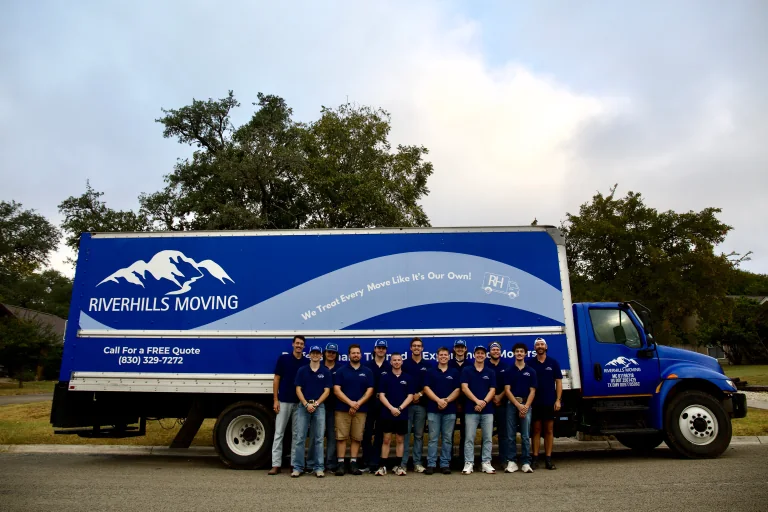
RiverHills Moving crew standing together by the truckCrew shrink-wrapping furniture before loadingCrew loading the box truck

Warehouse Moving FAQs

Another question? Call (830) 329-7272.

Who counts our stock before and after the warehouse move?

Your inventory team owns product quantities and any adjustment in its system. It should close or mark each zone's count before that stock is released. We can compare labeled cartons, pallets, and totes with the agreed load list when they leave and reach the new dock. If a label is missing or a unit looks damaged, we flag it for your lead to investigate before restocking.

Can pallet jacks take our loaded pallets from dock to dock?

We can plan pallet-jack movement for suitable loads when both sites have clear, compatible routes. We need the pallet condition, approximate loaded weight, dock heights, leveler details, and floor transitions before choosing that route. Your operations lead identifies stock that cannot travel as a loaded pallet. Those goods can be prepared as smaller labeled handling units or assigned to your equipment vendor.

When should the storage-system installer start work?

Have the installer set its dates around the stock release plan. Your team needs a place to hold picked goods while an old zone is cleared and a confirmed destination before replenishment begins. We move agreed movable contents after you release the zone, then keep their destination labels intact while the installer finishes its separate work.

How do we keep shipping orders accessible during the move?

Mark the active pick bins and shipping supplies that must remain at the old site until your cutoff. We build the load order around those zones and deliver the new receiving and packing areas in the sequence you specify. Your staff decides when order processing switches addresses and verifies stock availability in its system. Evening or weekend windows are available on request if they fit dock access at both sites.

Plan your business move

Tell us both addresses, the building rules you know about, and the dates you cannot move. We will send back a written plan and estimate.

Call (830) 329-7272

Mon–Fri 8 AM–6 PM · Sat 9 AM–4 PM · Sun Closed

Call Now call 830-329-7272