verified Request a move-specific estimate and review the written scope before booking.
Healthcare & Medical

Veterinary Clinic Moving in San Antonio & the Hill Country

Plan kennel and exam-room moves around boarding departures, with animals and controlled substances remaining under your veterinary team's care.

(830) 329-7272
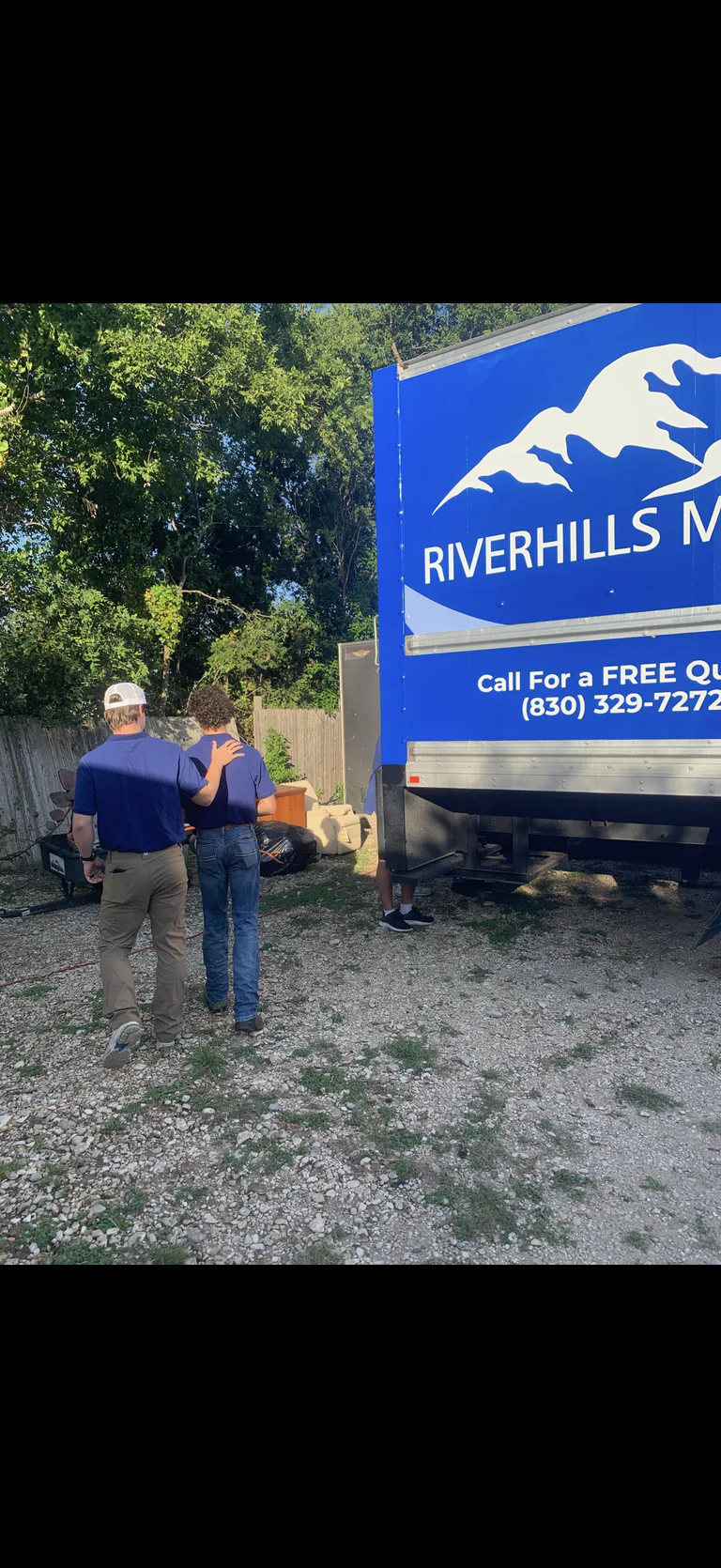
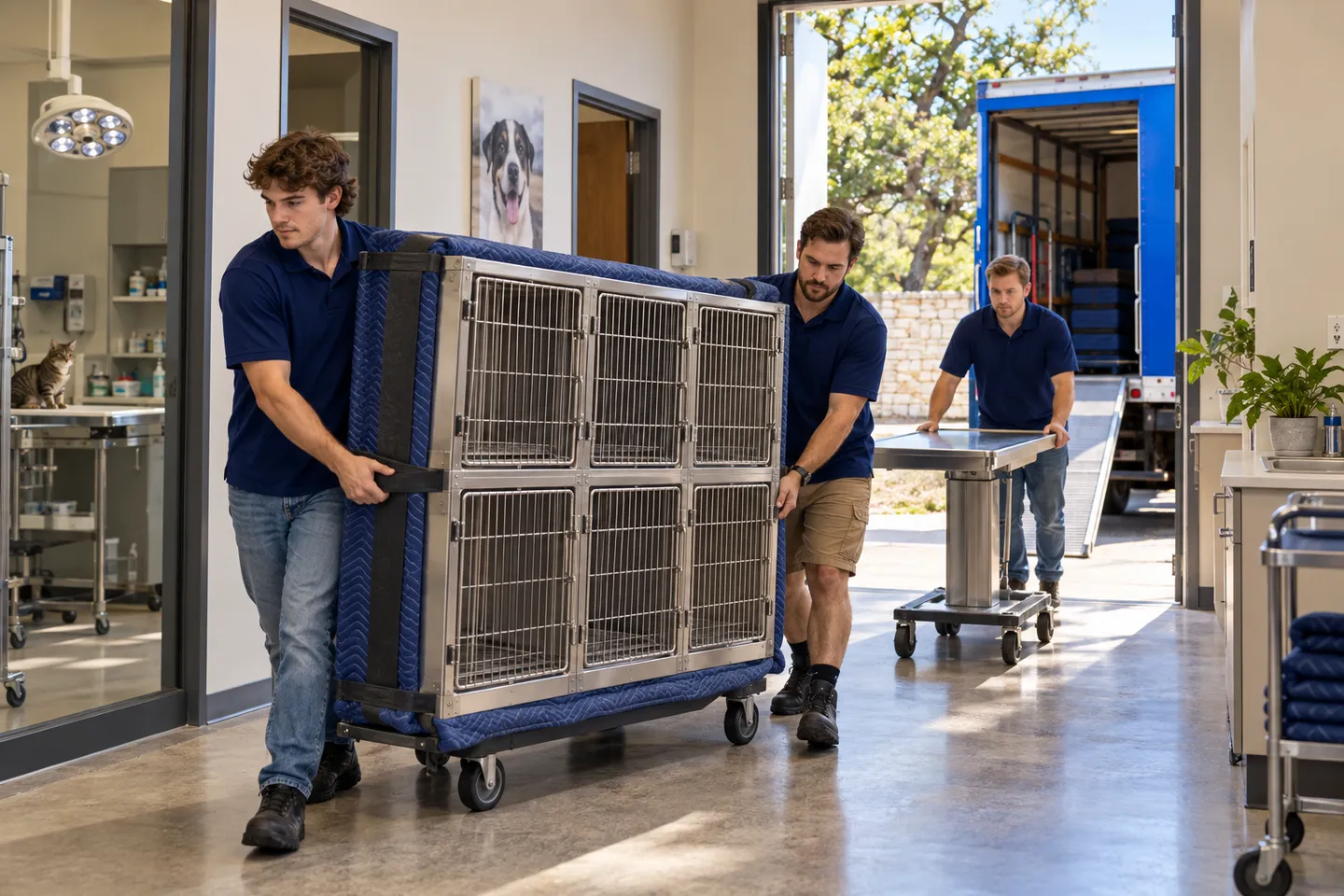
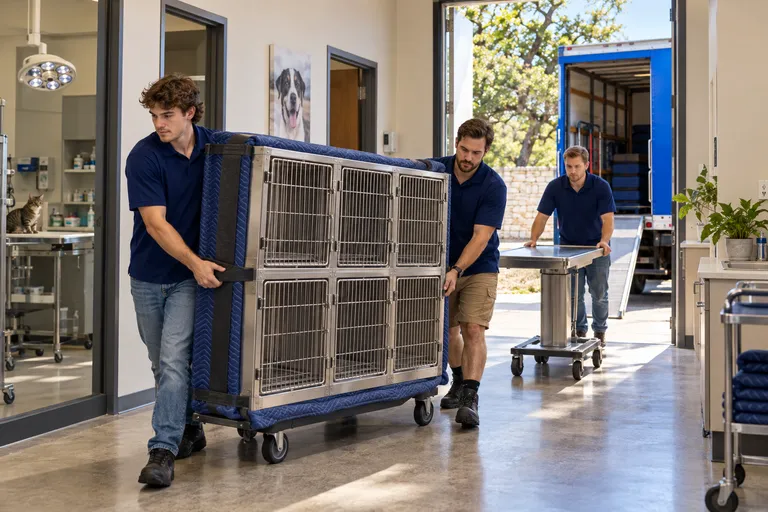
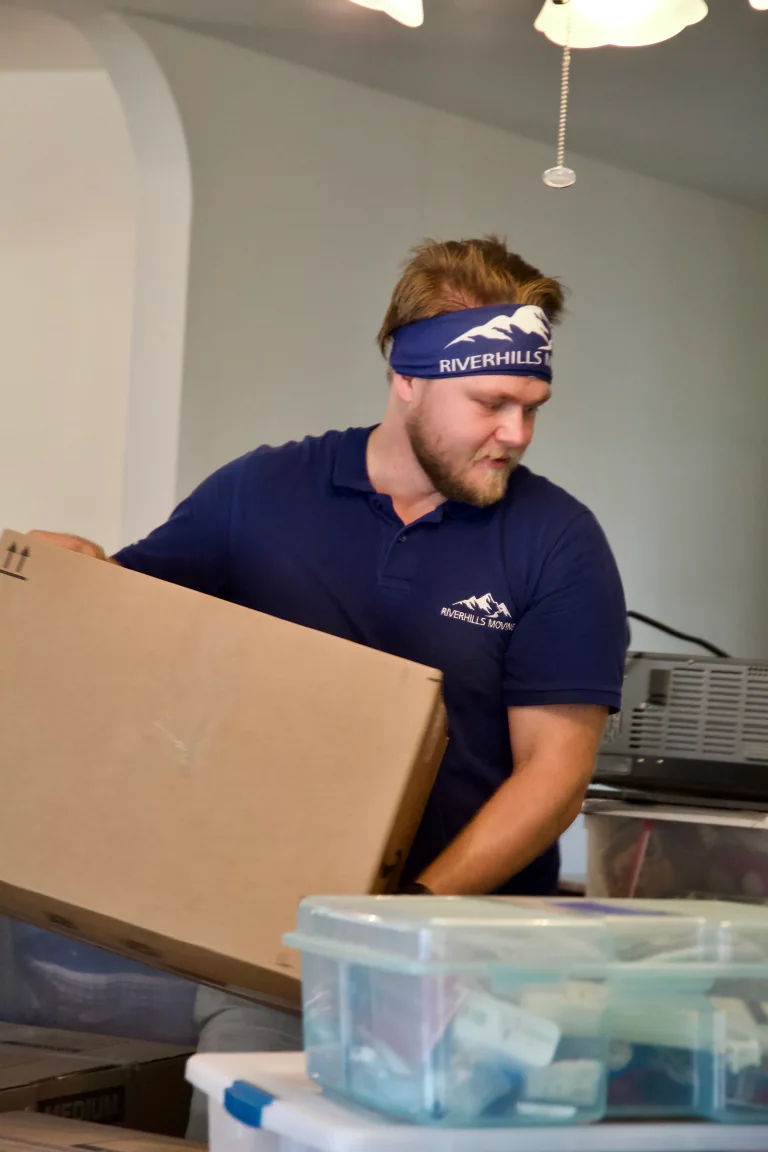
Veterinary Clinic moving in San Antonio: moving crew at work
  • Licensed & Insured USDOT 3561425 · MC-1196218
  • 5.0 ★ Rated 500+ Google Reviews
  • San Antonio & Hill Country Kerrville · Boerne · Fredericksburg

Start your free veterinary clinic move quote

verified For estimate purposes only credit_card_off No credit card required

Planning a Veterinary Clinic Move

A veterinary clinic cannot clear its boarding wing by closing the appointment book. Dogs and cats may still be checked in, while exam rooms, treatment areas, and reception have their own schedules. Your practice manager sets the last boarding admission and pickup plan before we put a moving sequence on paper. That sequence starts with kennels and cages that are empty, cleaned, and released by your staff, then follows the rooms you can take out of service.

We can move freestanding kennel banks, portable cages, exam tables, treatment carts, reception fixtures, and boxed routine supplies. Your veterinary team stays responsible for the animals throughout the change of address. The DVM keeps controlled substances under their own control; those items do not enter our load. For powered tables, mounted kennel runs, or serviced clinical devices, the equipment vendor confirms what can be detached and moved and who puts it back into service. Tell us the destination room for each kennel group and exam table so your staff can arrange the new clinic around its patient flow.

Who usually signs off
Practice owner or manager, with the lead DVM approving the animal and medication plan
Timing that works
Choose the moving window from the boarding calendar: your team sets last admissions, pickup times, and when each kennel bank can be emptied and cleaned.

What typically moves

  • Freestanding kennel banks Staff empty and clean each bank first. We mark sections for their destination room and keep removable doors and hardware with the matching unit.
  • Portable animal cages and carriers Empty, cleaned cages are nested only when their design allows it; carriers are grouped by the storage location your team selects.
  • Manual exam tables and veterinary stools Freestanding tables and stools are padded and labeled by exam room. Your vendor advises on powered or anchored units.
  • Treatment carts and instrument cabinets Your team removes clinical contents. We secure drawers and shelves and place each cart in its assigned treatment area.
  • Leash hooks, food bins, and boarding shelves Movable boarding fixtures are labeled by ward, so staff can rebuild the feeding and pickup areas in their chosen order.
  • Reception counter sections and retail displays Freestanding pieces travel with their shelves and brackets; staff retains animal records and any medication kept at reception.

Access and scheduling

Start with the boarding roster, not the truck arrival. Your staff decides which animals go home before the move and whether any remain under the practice's care at another site. We schedule around the kennel banks they release, then match the exam-room load to the last appointments. Ask about moving empty cages after closing or over a weekend if the boarding roster allows it.

At each address, identify the route between the kennel wing and the loading area. A cage bank may fit through its room door but not around a treatment-room turn; we measure both before choosing how to take it out. Tell us which entrances must stay clear for animal pickups and vendor visits. If the clinic is in a managed building, we can provide a Certificate of Insurance for its management team and work within its loading rules.
Protection and handling

Once your staff has emptied and cleaned a kennel or cage, we inspect its movable parts with them. Doors, trays, dividers, and fasteners are kept with their unit, and exposed edges are padded for the carry. We label each unit by destination ward rather than mixing similar cages from different areas. Freestanding exam tables are wrapped at the top and base, then placed in the room your manager has marked.

Our crew moves only the fixtures and supplies on the agreed inventory. Your team moves animals, prepares any medication and specimens, and handles anything that must remain under clinical supervision. The DVM transports controlled substances. If a kennel run is fixed to the building or a table needs service work, its installer or equipment vendor provides the release and reinstall plan.

Who does what

Some of this job belongs to other trades. The written plan names each one.

Boarded animals and their care supplies
Your veterinary team arranges animal transport, feeding, and handoff around the boarding roster. Our crew handles only empty, cleaned fixtures released by staff.
Controlled substances and other medications
The DVM keeps controlled substances with them and directs the practice's medication move; these items stay off our inventory.
Fixed kennel runs, powered tables, and serviced devices
The installer or equipment vendor specifies detachment, transport, reinstall, and testing. We plan the movable furnishings around their work.

Not part of our work

  • Transporting animals or deciding their boarding arrangements; your veterinary team manages both.
  • Handling controlled substances, medication, specimens, or sharps; the practice retains them.
  • Detaching fixed kennel runs or servicing powered exam tables; the responsible vendor handles those tasks.

Around San Antonio and the Hill Country

San Antonio clinics near Stone Oak and Loop 1604 may share parking with other tenants, making a separate pickup path useful while cages are loaded. In Boerne and Kerrville, a clinic may have a direct yard or rear entrance. We check the actual kennel-door route and loading access at both locations.

The crew that shows up

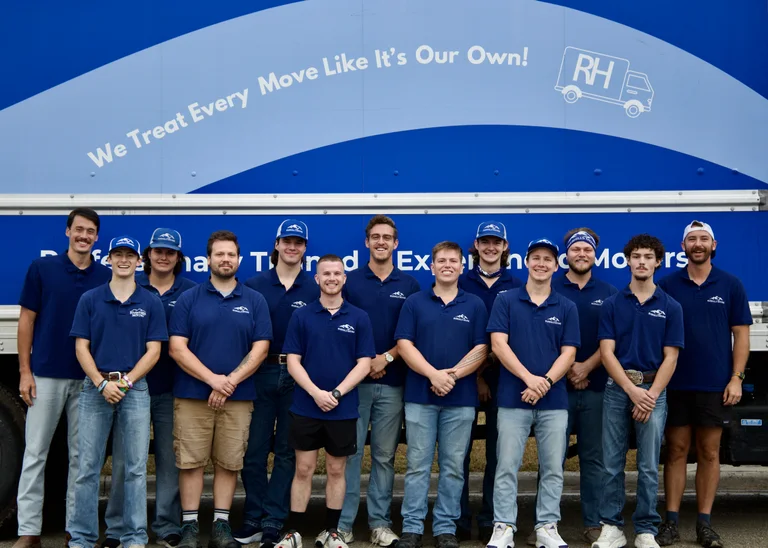
RiverHills Moving crew member at workLabeled moving boxes staged for loadingRiverHills Moving crew beside the company box truck

Veterinary Clinic Moving FAQs

Another question? Call (830) 329-7272.

Can kennel banks move while animals are still boarding?

Only banks your staff has taken out of use, emptied, and cleaned go on our moving list. Your manager decides where boarded animals remain and when they can be picked up or transferred under the practice's care. We can plan the released kennel groups in stages so the furniture move follows your boarding roster.

Who takes the controlled substances to the new veterinary clinic?

The DVM keeps controlled substances with them and handles their transport under the practice's procedures. They are excluded from our inventory and cartons. Your team also identifies other medication, specimens, and sharps before packing begins, so the crew receives a clear list of fixtures and routine supplies it can move.

What happens to built-in kennel runs and powered exam tables?

Ask the installer or equipment vendor to inspect them before the moving date. They can determine how a fixed run is detached and reinstalled, or whether a powered table needs a service technician. We measure the route and place the freestanding cages and manual tables according to your floor plan, leaving the vendor access to complete its work.

How should we label cages that belong in different boarding wards?

Give us the ward names and destination layout your staff plans to use. We mark each empty cage or kennel section and its removable parts with the destination ward, then group them for placement on arrival. Your staff decides which animals and supplies belong in each ward and checks the setup before accepting boarders there.

Plan your business move

Tell us both addresses, the building rules you know about, and the dates you cannot move. We will send back a written plan and estimate.

Call (830) 329-7272

Mon–Fri 8 AM–6 PM · Sat 9 AM–4 PM · Sun Closed

Call Now call 830-329-7272