verified Request a move-specific estimate and review the written scope before booking.
Retail, Restaurant & Hospitality

Bar & Brewery Moving in San Antonio & the Hill Country

We move the back-bar, taproom pieces, and packed supplies; your installer handles the brewhouse and your licensee directs alcohol stock.

(830) 329-7272
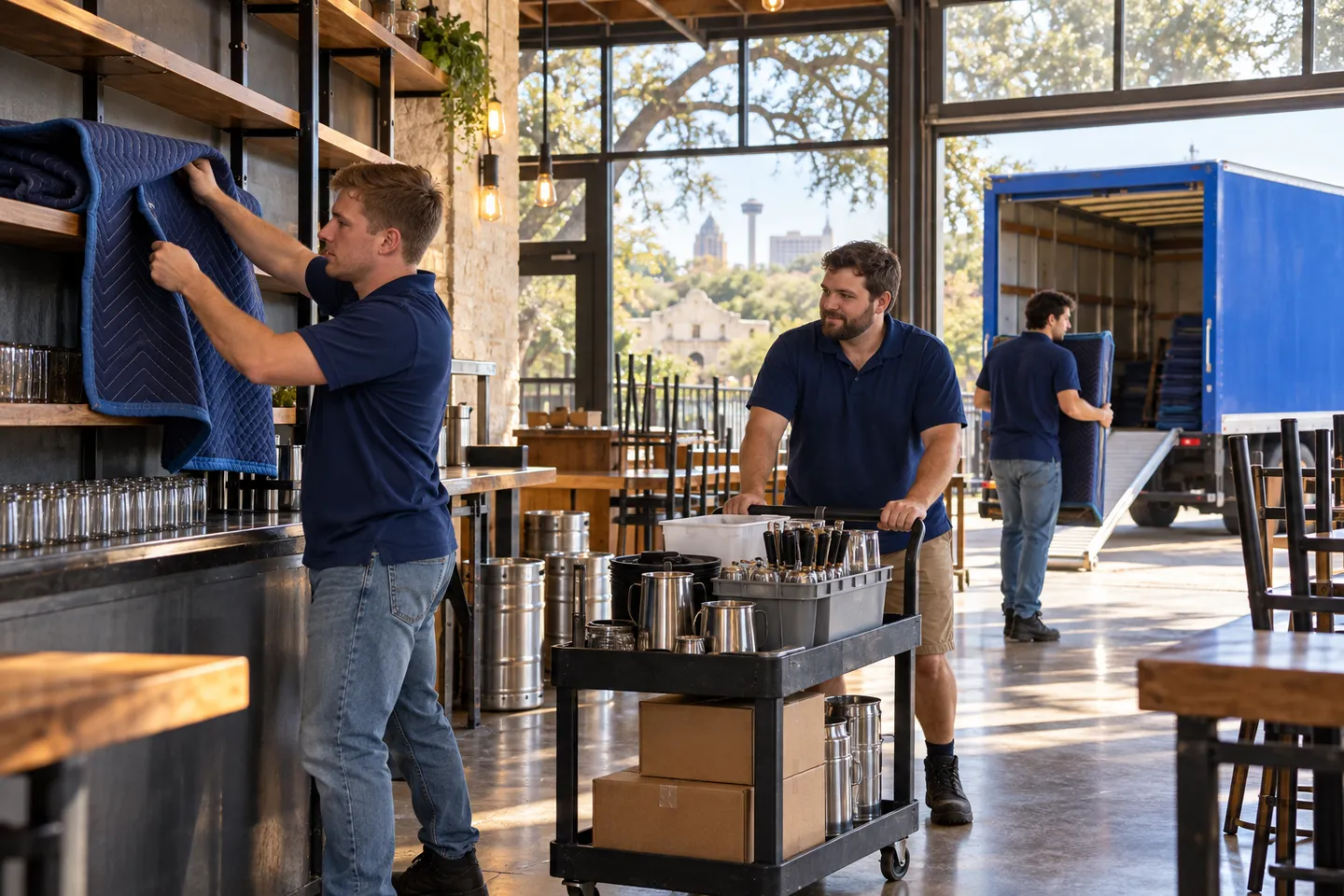
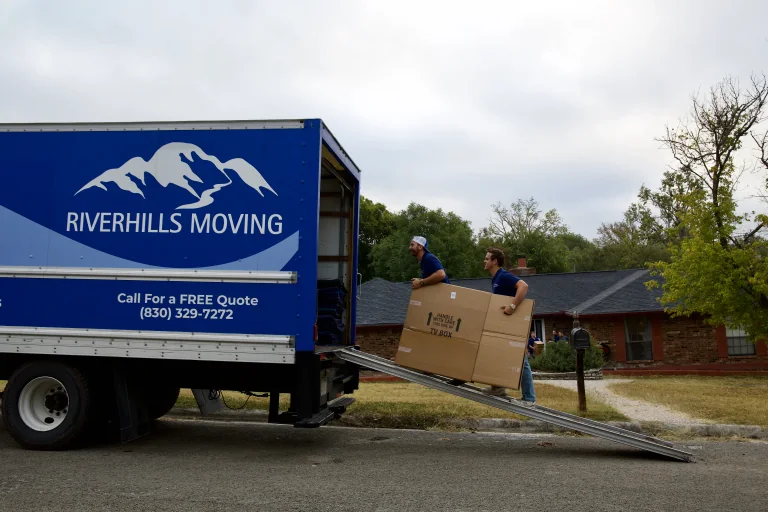
Bar & Brewery moving in San Antonio: moving crew at work
  • Licensed & Insured USDOT 3561425 · MC-1196218
  • 5.0 ★ Rated 500+ Google Reviews
  • San Antonio & Hill Country Kerrville · Boerne · Fredericksburg

Start your free bar & brewery move quote

verified For estimate purposes only credit_card_off No credit card required

Planning a Bar & Brewery Move

Three things in a bar or brewery look like one move and are not. The first is the movable room: back-bar shelves, bottle displays after they are emptied, stools, taproom tables, and boxed service supplies. The second is the brewhouse and connected cold equipment, which your installer and service trades need to assess before anyone sets a truck date. The third is alcohol stock. Your licensee determines its count, control, and transfer under the rules that apply to your operation.

We build our load from the first list and leave room in the schedule for the other two. Your brewer identifies which loose tools and empty containers are ready to pack, which kegs remain in active use, and what must stay with the equipment team. We mark back-bar parts by wall or station and keep fittings with their shelves, so the receiving room can be laid out before stock returns. Stock comes back last, after the licensee and the brewer have settled their own transfer.

Who usually signs off
Bar or brewery owner or general manager, with the brewer and alcohol licensee approving their respective lists
Timing that works
Set the movable load around the last service or production run, the installer's equipment schedule, and the receiving site's readiness; ask about evening or weekend work.

What typically moves

  • Freestanding back-bar shelving Empty shelves and loose brackets are marked by wall position; glass pieces are wrapped separately from their supports.
  • Taproom tables, stools, and host stand Each seating group is tagged to the new floor plan before chairs and tables are padded.
  • Mobile keg carts and empty keg shells Your brewer identifies empty, released items; we label carts and shells by the receiving area.
  • Brewing smallwares and loose tools Your brewing team sorts hoses, fittings, and hand tools into labeled containers by work area before loading.
  • Glassware racks and bar service supplies Clean, packed glassware is kept apart from bar hardware, with cartons marked for the service station.
  • Freestanding dry-goods shelves Shelves are emptied and marked by bay; your team selects the sealed ingredients and supplies that travel.

Access and scheduling

The brewer's last production run, the bar's final pour, and the installer's deadline for a clear brewhouse floor may land on three different days. Ask about an evening or weekend slot for released taproom and back-bar pieces, while your team retains access to the stock and tools needed for the remaining service or production work. At the receiving site, decide where cartons can land without blocking the installer's route to the production floor.

Both properties may control loading more tightly than the business calendar does. Send us the landlord's rules for truck parking, shared service lanes, dock use, and carts crossing customer areas. A building may also request a Certificate of Insurance with its own wording. Your general manager approves the seating and bar layout; the brewer and installer confirm the production area they need left open.
Protection and handling

The bar should be empty before its shelving comes apart. We photograph the shelf order with your permission, mark each section by wall position, bag its removable fittings, and pad exposed edges. Glass shelves and mirrors ride in separate protective cartons. Clean glassware travels in divided cartons. At unload, the labels send each piece to the right wall or seating zone rather than into one pile near the door.

Cold-area contents need a separate decision before packing. Your brewer or manager identifies which empty kegs, loose racks, and sealed supplies are released for our load and which items must remain refrigerated or under the licensee's control. We do not decide how product is held during the move. The brewhouse installer directs dismantling, transport, and setup of tanks, lines, and connected equipment. We keep its work zone and travel path clear, and we move only the loose items assigned to our crew.

Who does what

Some of this job belongs to other trades. The written plan names each one.

Brewhouse vessels, fixed piping, and connected production equipment
Your brewhouse installer assesses, dismantles, transports, and reinstalls that system. We move the separate loose tools and supplies your brewer releases.
Cold room and draft system
Your refrigeration and draft-service contractors plan the installed equipment, lines, and any required utility work. Our list covers only released, freestanding items.
Alcohol inventory and TABC questions
The business's licensee counts, controls, and directs the transfer of alcoholic product and resolves permit requirements. We keep that inventory off the general bar packing list.

Not part of our work

  • Dismantling or moving brewhouse tanks and connected production systems; the equipment installer owns that work.
  • Disconnecting or reconnecting gas, water, refrigerant, or electrical service; the appropriate licensed trade handles those connections.
  • Counting, packing, or transporting alcoholic product as ordinary bar cartons; the licensee directs its inventory and transfer.

Around San Antonio and the Hill Country

Many San Antonio taprooms occupy reused buildings near the Pearl, along the Museum Reach, and south of downtown, while newer builds off Loop 1604 may give production its own roll-up door. Hill Country tasting rooms between Boerne, Comfort, and Fredericksburg may sit on acreage reached by caliche, so we check truck turnaround near the taproom. Fiesta street closures make April a poor month for a Pearl-area move.

The crew that shows up

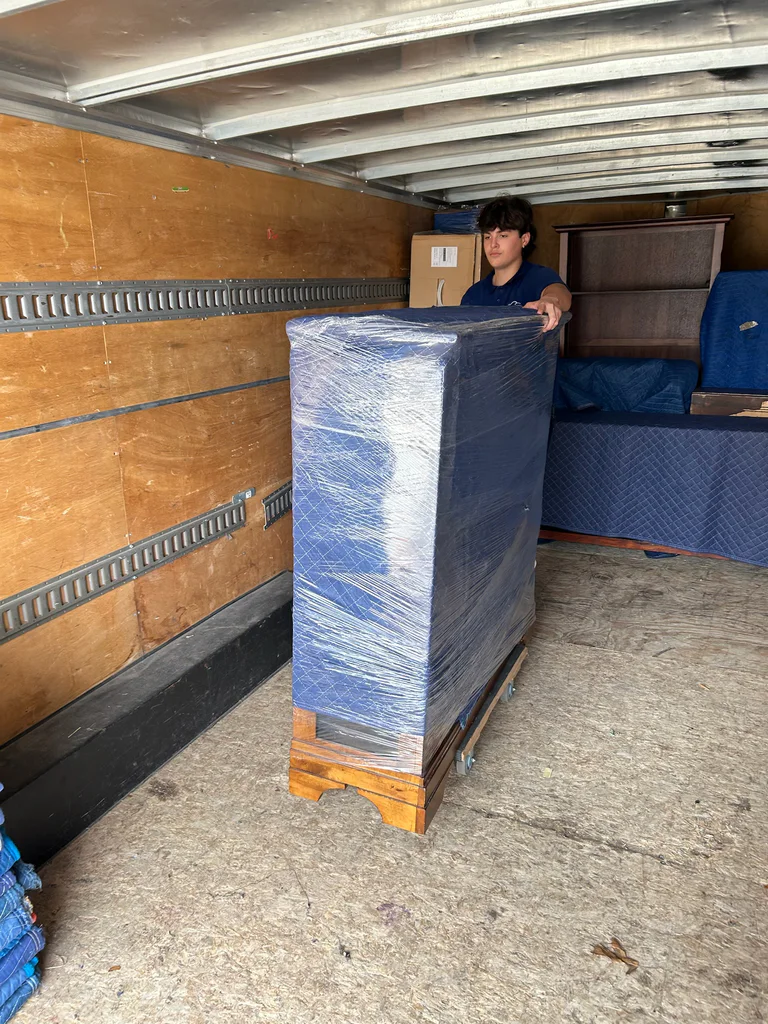
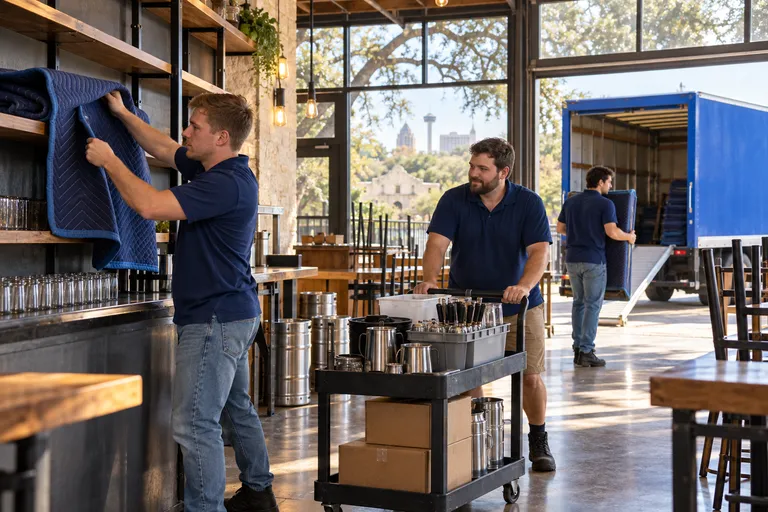
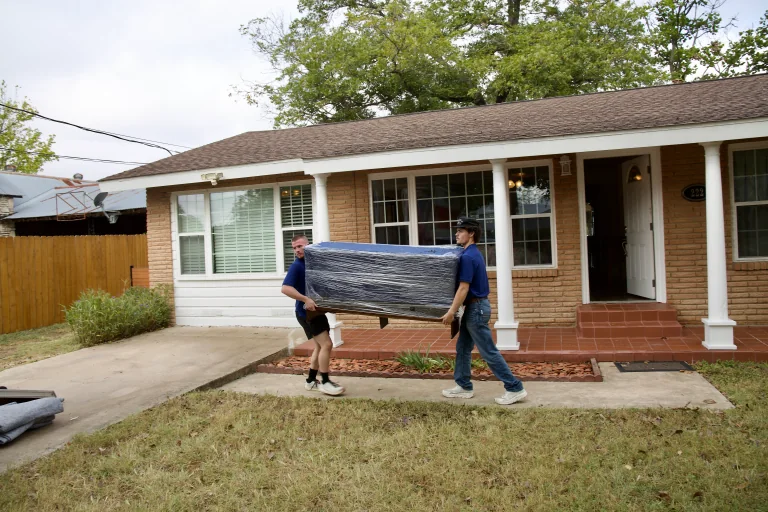
Crew shrink-wrapping furniture before loadingCrew loading the box truckCrew carrying pad-wrapped furniture to the truck

Bar & Brewery Moving FAQs

Another question? Call (830) 329-7272.

Can the back-bar be placed before the licensee brings in bottle stock?

Yes. Have your manager mark the new wall positions and decide which shelves, displays, and service carts belong at each station. We can move and place those empty pieces first, with glass and loose fittings kept with their section. The licensee then counts and directs the alcohol stock separately, after the bar layout is ready to receive it.

What happens to filled kegs and product in cold storage?

Your brewer and licensee decide which product can leave the old site, how it must be held, and who transfers it. Keep filled kegs and refrigerated product off the loose equipment list until that plan is settled. We can review empty, released keg shells and mobile carts as separate moving items, labeled for their receiving area.

Will your crew take apart the brewhouse tanks and draft lines?

The brewhouse installer and draft-service contractor should assess those installed systems and make the dismantling and setup plan. Give us their work dates and the space they need at each address. Our crew can handle labeled brewing smallwares, freestanding shelves, and taproom pieces outside that work zone once your team releases them.

How do we keep taproom setup from blocking the production install?

Mark separate receiving zones on the new floor plan before loading starts. We place seating and back-bar pieces in their assigned areas, then stage cartons away from the production entry and the installer's path. Your brewer confirms that path with the installer; your manager checks the customer-side layout before the final pieces are placed.

Plan your business move

Tell us both addresses, the building rules you know about, and the dates you cannot move. We will send back a written plan and estimate.

Call (830) 329-7272

Mon–Fri 8 AM–6 PM · Sat 9 AM–4 PM · Sun Closed

Call Now call 830-329-7272